Search

K9 Musings

thoughts, opinions and stories from the dog side

Author

marajessup

Give a dog a choice

I’m not the type to give my dogs free rein over everything. They have rules, they have boundaries, certain privileges need to be earned – and can easily be revoked! I call myself a benevolent dictator around the house.

Despite that, the idea of choice for dogs is a fascinating one for me. I think it goes hand in hand with good training. You train, build habits, create emotional responses, build value and eventually give more freedom and choice. My end goal is a dog who is a willing, thinking, almost equal partner. I mean, they’re still a dog and I still have the final say. But in choosing a dog for a partner, I am choosing them because they’re able to bring something to the table that I cannot. In search work, it’s the nose. And I need to trust them to make the right choice with their nose and alert me accordingly. Look for human scent, not rabbits. Ignore where the coyotes have peed, don’t investigate it.

In order to do the job, I need a partner who can actively choose to ignore the millions of scents out there that I cannot see and focus on the one that I have built value for.

I usually don’t see my dogs ignoring scent because it’s not often something that I can visualize. But the other day I saw it. I was working a search problem with Kolt at training. He was about 100 yards away when a small bird took off right in front of him a flew low to the ground. His prey drive kicked in automatically and took off toward the bid. And two seconds later, while I was still processing what he was doing and hadn’t yet told him to get back to work, he abruptly stopped and went right back to searching. He redirected himself and made a choice to do his job over the instant gratification of chasing a bird.

Let that sink in a minute. A dog, on his own, actively choosing delayed gratification and it’s job over something else that they would enjoy (while it’s something I don’t encourage, he occasionally chases birds in our off leash hikes around home).

These dogs amaze me every day. And I’m working to allow for more choice in other areas of life.

Now, if I could only get them to choose to stop rolling in poop…
Taking Charge

If you’re going to be a dog trainer, you’re going to have to come to the place where you take charge. Take charge of you, take charge of your dog, take charge of your training. You need to own it to make it work.

When we start in our dogged pursuits, we want to do it right. And we quickly realize that there are a lot of people who know a heck of a lot more about it than we do and are awed by their skill. This is good, this is healthy. We need to gravitate to those trainers who resonate with us. Those trainers who get good results and have a relationship with their dog that we want to emulate. We need to listen, to ask questions, to watch.

But we can’t fall into the trap of handing our training over to them – physically or mentally.

Don’t fall victim to the list of “buts”

“But they know better than me”

“But I’m not completely sure about what I’m doing”

“But I’ve never done this before”

“But I may make a mistake”

All of the above are very likely true.  Big deal. It’s okay. You have a dog and they are always learning and adapting. Whatever trainer you’re learning from had a very similar beginning and worked like crazy to get to the point where you want to learn from them today.

When we allow another to own our training (and it’s just as often in a mental sense as them physically doing our training for us) we become adept at following, but not so much at doing. We’re not taking responsibility but placing it on someone else. I believe that this tends to create a bit of a learned helplessness. A “I’ve never done this before so I can’t do it” mentality. Or a “I have to do x, y, z or I’ll fail”, or “if only I was as natural as them, then I’d get better results”. We become either more passive and let them do the work, or frantic and overwhelmed because we can’t do it all right, can’t do it all just the way they would.

Those frames of mind are incredibly counterproductive in training. Because you’re letting things happen to you and don’t have confidence in what you’re doing.

And if you don’t have confidence in yourself, how in the world is your dog supposed to have confidence in working with you?

So get out there, keep learning, but start owning up to what you’re doing. Get out of the “but I don’t know how” and start trying stuff. It doesn’t have to be everything, you can start with small with this. Your future dog training self will thank you for it. And so will your dog.

From puppy to partner

Baby dogs are fun. They’re adorable little sponges that you can mold and shape. They’re cute, cuddly and curious. I had an absolute blast raising Kolt and look forward to raising another pup in the future.

But Kolt is 2 1/2 now and entering my favorite stage. The confident, capable partner stage. The foundation of training is there, his brain has mostly matured past the young dog stage and he’s gaining an adult confidence.

I worked him at SAR camp last weekend and loved what I saw – a dog who understood his job and did it with gusto. He needs less direction and more opportunity to just work. He checks in with me when needed, but it’s not so much a “what do I do??” check in but rather touching base with me. We’re at the stage where I need to shut up, take yet another step back and let him work.

And it feels amazing.

It’s all about that toy! Or is it?

It’s the mantra of search dog handlers. We’re supposed to find the toy that our dog values most and build and hone desire, desire, desire. Desire that toy so much that they will work through anything to get it.

It presented as all about that toy reward.

But how much effort and emphasis do we put into the search being about the chance to partner with us? The opportunity to work as a team to accomplish a job? After all, we choose breeds – and individual dogs – that have a natural affinity for that.

While the unrelenting focus and drive when it comes to looking for a reward object is a key indication of how well a dog will do in search and rescue/recovery work, the best handlers do not rely on the toy to do the work for them.

Watching my dogs, it is about the toy to a certain extent. It’s fun, it’s cool, it’s something they really WANT. It’s a way to release their pent up excitement of the find, to signal approval of a job well done. It was fundamental in the beginning stages of training – the “victim” producing so many very good things got them excited about and focused on the search. But it’s grown to become more about the game they share with their “victim” or with me. Kenzi plays keep away and wants her person to join in, Kolt keeps shoving it back for another toss or tug. They want the interaction. They value it more than the object that they’ve earned through a job well done.

The toy is really good but, for my dogs, the puzzle of the hunt and the relationship reward at the end is better.

What does this translate to? For me, it’s where I put focus. I cannot show up to training expecting that my dog will just work for a toy. They are ultimately working for *me* and I am paying them with a toy that they love. I must cultivate the partnership more than I cultivate the desire for the toy. I must bring excitement and joy with me. I must learn how to create meaningful interaction with my dog sans reward. I must be clear about my expectations and consistent in training. I must recognize that they are willing and amazing, but also a living breathing creature that is not mechanical. I must be willing to change my approach when something isn’t working.  I must be willing to get silly and have fun with my dog, regardless of how silly it looks to people around me.

Why must I do all that? Because my dog is a team mate with me, not with an object.

Respect your dog, respect yourself

Far too many people pursue control first of all. Control isn’t inherently bad – it’s needed in varying levels needed in many areas of dog ownership and training. But, when it is our focus, then that is what spills into other areas of life. Because our approach to problems is more control. We try to figure out how to add control to eliminate what went wrong. We control more of what our dog does, we try to control the people and dogs around us to try to facilitate success or bring the results that we want. We apply more pressure as we strive for that control. We put more pressure on our dog, we put more pressure on others. We focus on the negative.

And it can bring a certain measure of success.

Pressure can be useful, but it’s most effective in limited amounts. If you apply it constantly through control, then you burn your dog out and drive people away,

But when we look beyond the box of control, we can relax and release the pressure. We try to figure out the why and work on it from that angle. We focus on the journey first rather than the end result. We take into account our dog’s state of mind, their comfort level, their preferences. We build the relationship first, then move on to skills. We want our dog to be confident, comfortable and engaged rather than perfect. We may use the pressure on occasion, but it’s to bring out the best, not to control.

When we pursue relationship and respect with our dogs, it also spills over into other areas of our lives. Including our own lives. We like how it feels and we *want* more. We approach others with respect. We look to build relationships instead of wanting to control. We command more respect for ourselves in the best way rather than demanding compliance or else.

And then we have the confidence to walk away from situations where people do not demonstrate respect. I mean, if I wouldn’t let someone treat my dog that way, why would I let them treat me that way?

Why are they doing that? And what do I do about it?

Dissecting you dog’s behavior is a double edged sword. On one hand, figuring out the why can lead you to the right solution. Is your dog barking out of fear? Or frustration? Or just because they’re being a dog? Are they not engaging because they’re stressed? Or because there are too many distractions? Are they peeing in house because they have a UTI? Or because there is leftover scent from a previous accident?

On the other hand, overanalyzing can stress you out. And your stress effects your dog. And makes things worse.

So how do you draw a balance?

This is how I approach an issue –

Take a break and remove yourself or your dog from the situation. That barking dog? Move it to another room, leave the park, separate it from other dogs or people.

Watch your dog’s behavior. Are they confident? Or skittish? Watch that tail, those eyes, the stance. Do they look stiff? Could it be pain? Find out is there is a significant contributing factor to behavior that needs to be addressed to effectively solve it.

Figure out what exactly you want. For most behaviors I want more than just “don’t do that”. For instance instead of “no baking” I want “quietly playing” or “lay quiet on a mat”. Why is this important? Because we need to shape and train what we want for the dog to make acceptable (to us) choices in the future.

Facilitate what you want. Be proactive in training it. I absolutely believe that dogs can quickly learn to understand and cease behavior with a “no”. And sometimes that’s enough. But if the behavior is ingrained or the dog is bored or curious, they need more than that. For instance, when Kolt is bored and bugging me, I don’t just tell him no. I tell him to go lay down. Or I tell him “that’s enough” (ending the behavior) and give him something to chew on (providing an incompatible behavior).

Behavior can be complex but dogs are pretty simple. They react to situations and do what’s rewarded or what seems to work for them. So figure out how to communicate what you want and reward what you want.

And never underestimate the importance of appropriate exercise and just hanging out with your dog. So figure out what you both find relaxing. Because sometimes we just need a mental reset. And so do our dogs.

The other job of a SAR dog

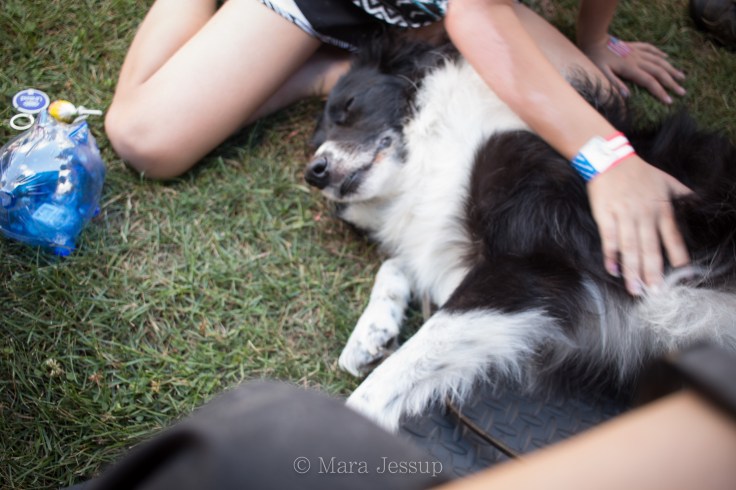
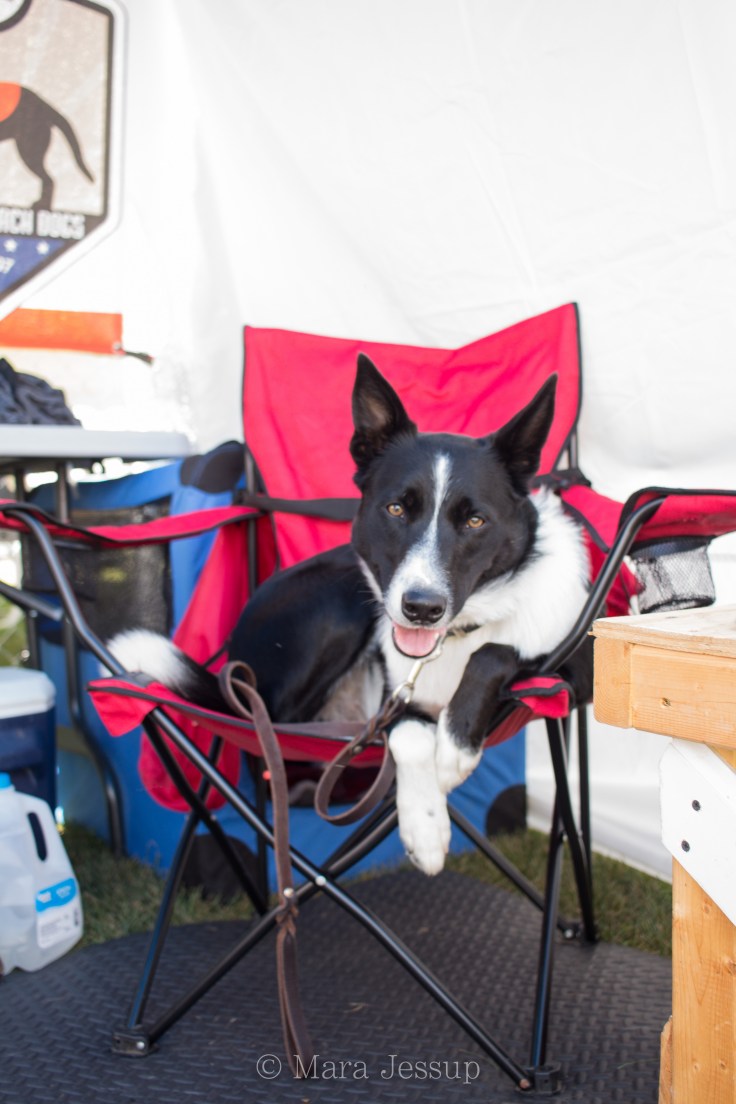
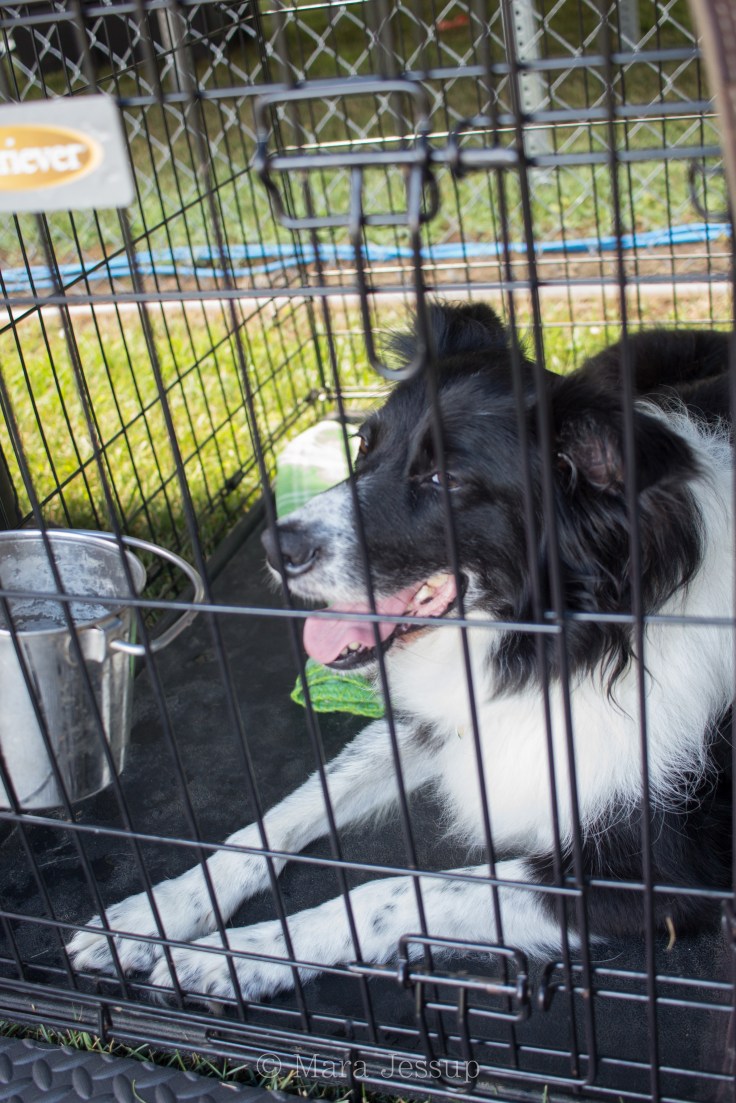
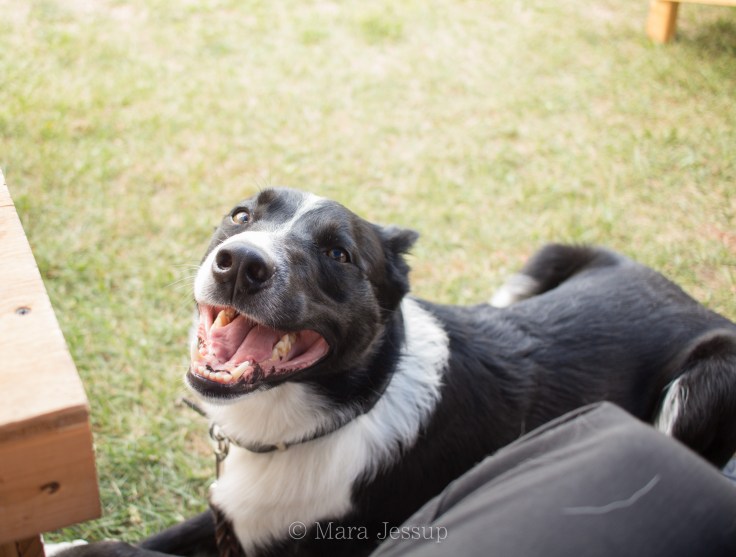
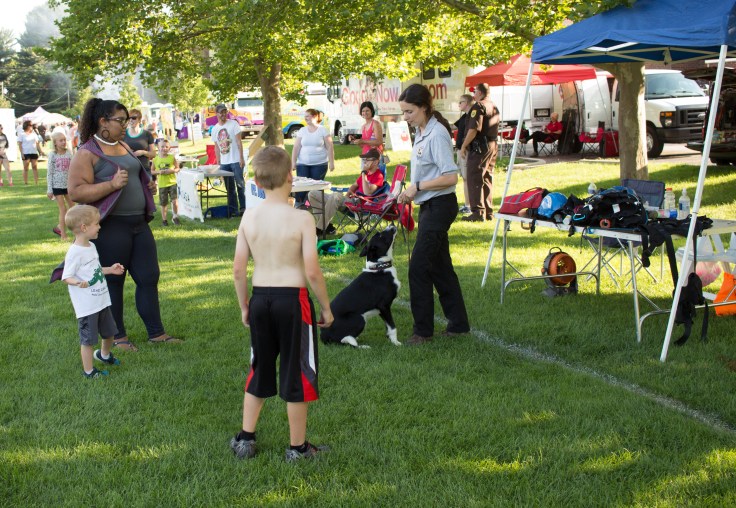
Being a search dog is more than just searching for people or human remains. Some days it’s about being a public ambassador. It’s showing people what a well trained dog is capable of, it’s meeting and greeting kids, it’s taking new and busy environments in stride. And when we demo, it’s working in all those situations.

My team took part in two different public events in the past week and Kolt and Kenzi rocked it –

All set up and waiting for people to arrive

IMG_0491

Kenzi doing what she does best –

IMG_0519

Hey person – I like this chair!

IMG_0505

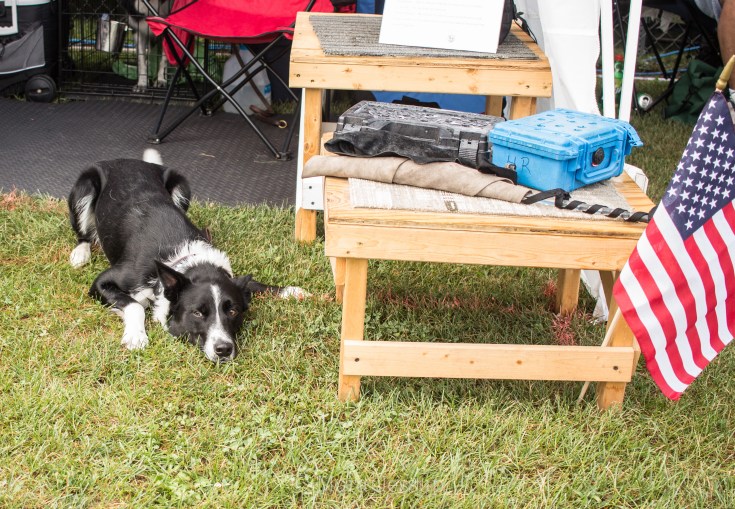
Break time – they were quite happy to have a spot to snooze by mid afternoon.

IMG_0501

That look! He kinda melts my heart…

IMG_0524

New place? Lots of people? No problem – I can still focus!

IMG_0594.

Just love how stable, versatile and willing these two are!

A new trail

We have a pretty awesome park system in my county. Several nice parks with some great trails. And dogs are allowed 🙂 I’m trying to get out and take advantage of them more!

Today I went to a new to me park. It’s one of the ones farther away and not in a direction that I usually travel. But it was a cooler Sunday morning and the day was wide open so off we went.

Over 800 acres, lakes, camping, playgrounds and miles of trails!  We ended up hiking trail 5 – intermediate difficulty and about 2.5 miles.

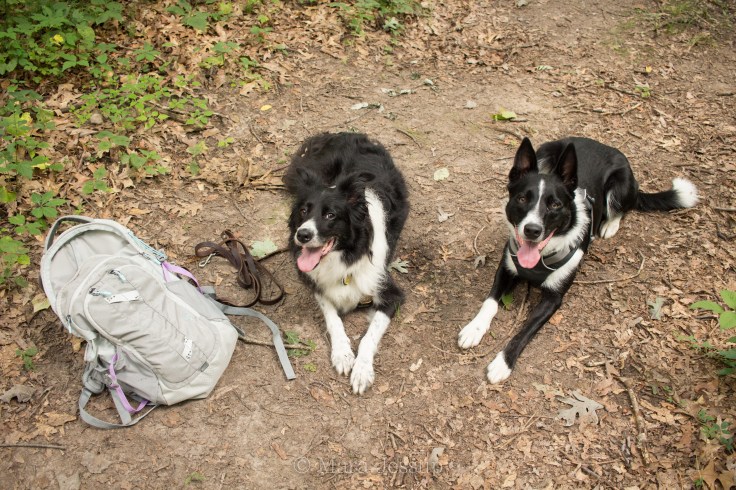
IMG_0589


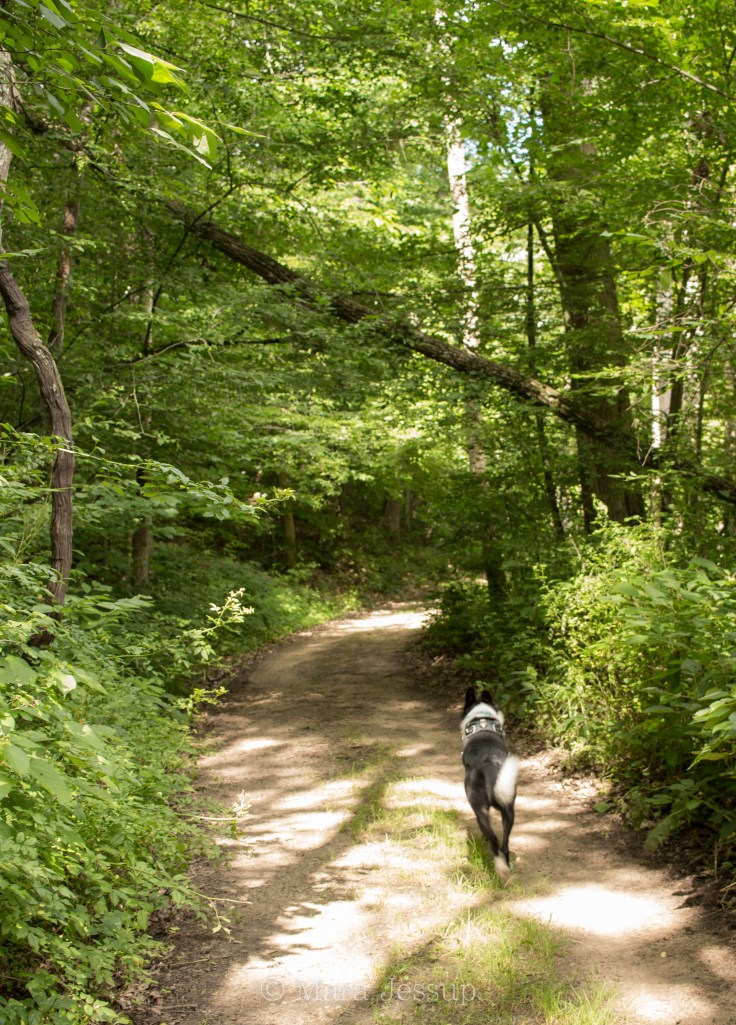
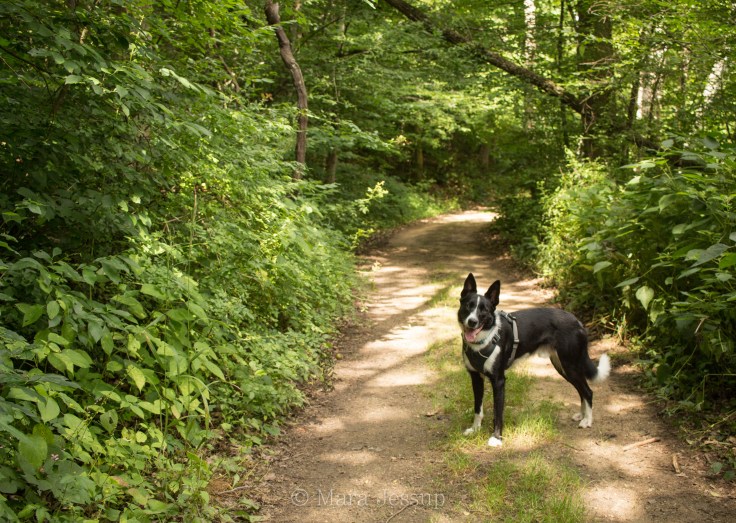
Kolt has mastered the skills of checking in with me, waiting for me and recalling off of distractions. So he enjoyed some off leash privileges.

IMG_0574

IMG_0573

Kenzi has mastered the skills of pushing the boundaries and obsessing over squirrels. So she stayed on leash… It’s really rather mind boggling sometimes. She is a great search dog and stays focused on her job when it’s time to work. But just hiking? All bets are off.

IMG_0579

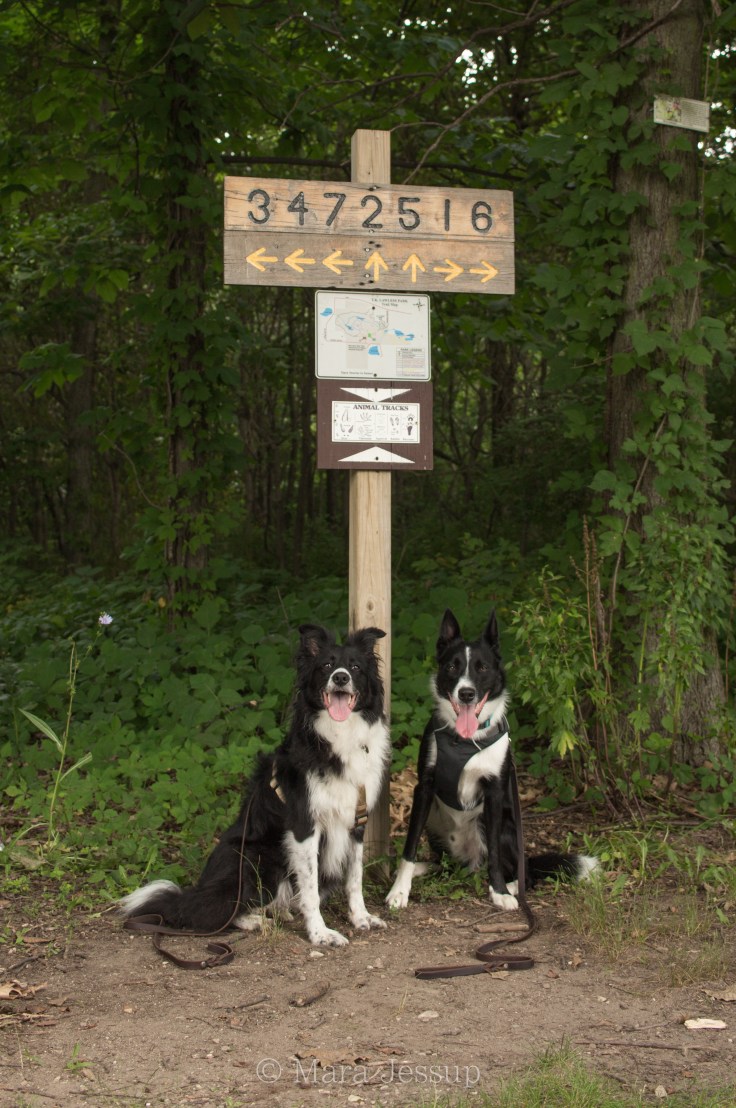
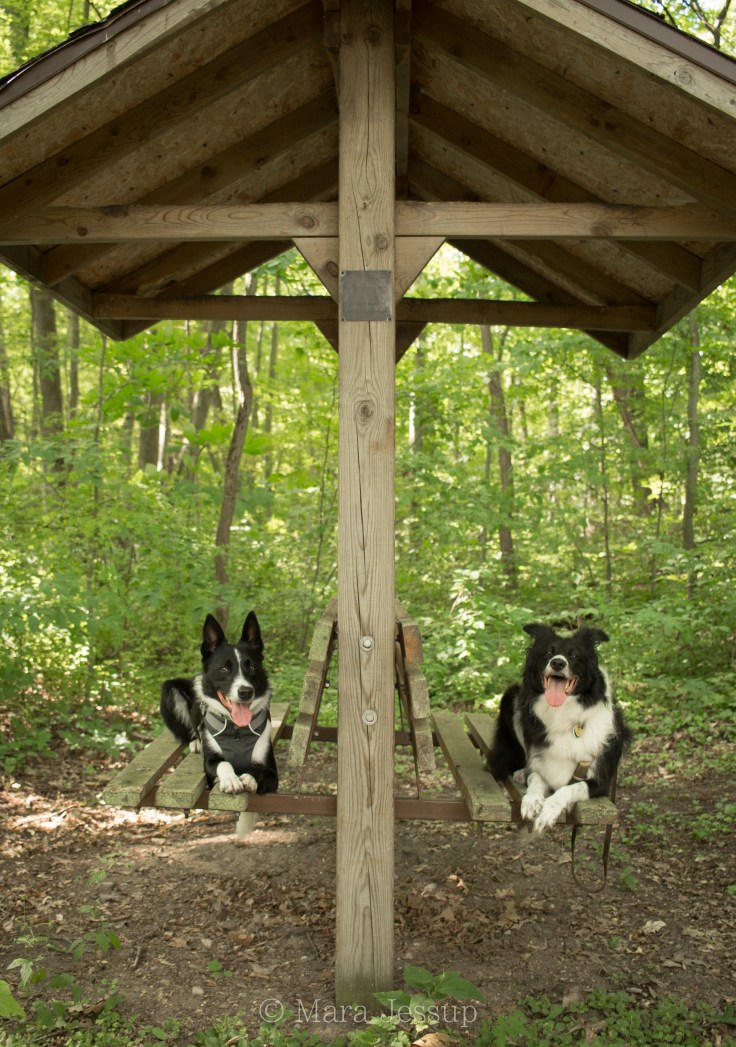
The park had several covered benches. Perfect for resting. Or, if you’re like me, making dogs pose for cute pictures.

IMG_0570

Break time! About halfway through. We were all panting. There were some major hills to go up and down!

IMG_0550

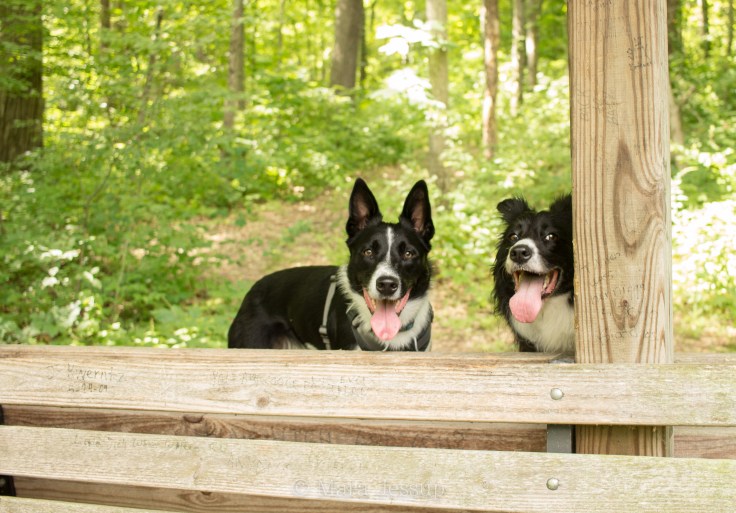
Another bench, another picture. So nice of them to situate the benches differently so I could easily photograph from different angles 😀

IMG_0560

We had fun. And we got tired. It was a great morning.

IMG_0565

Canine Family Pictures

I’ve decided that if I had any more dogs then undertaking a project like this would require more people.

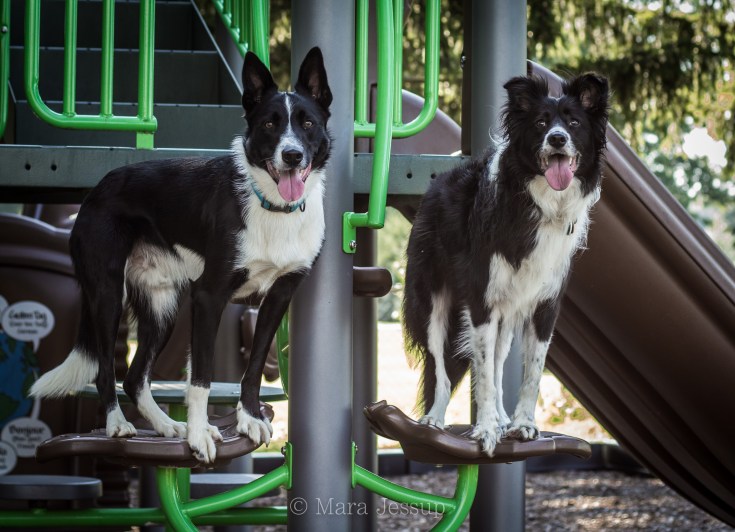
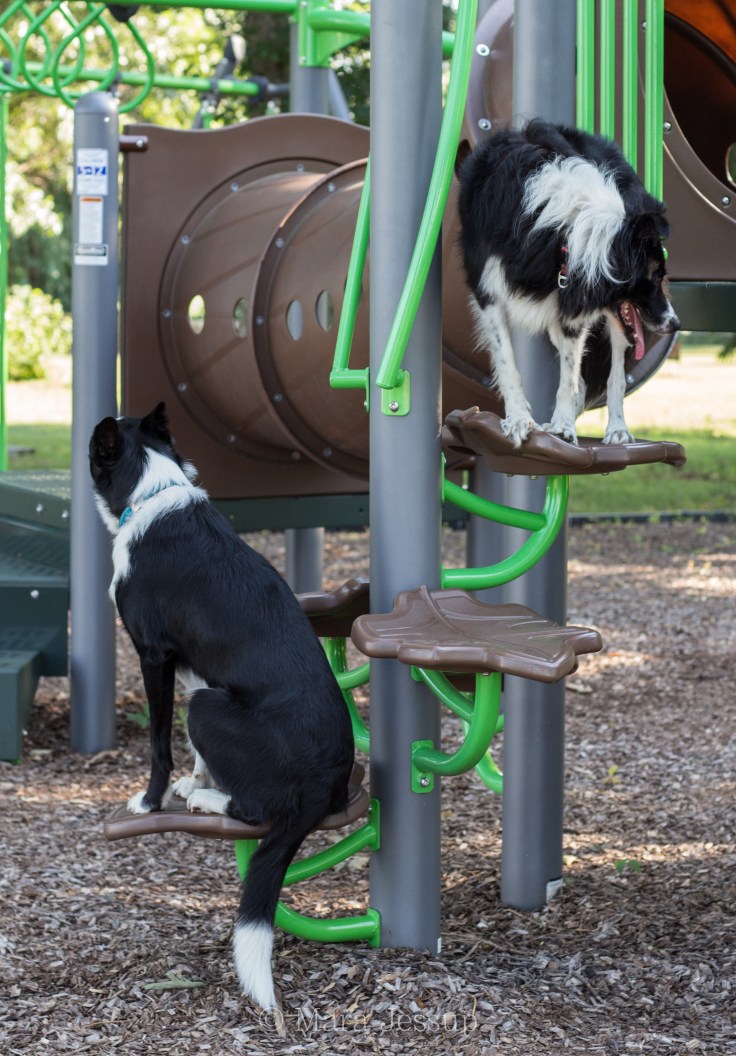
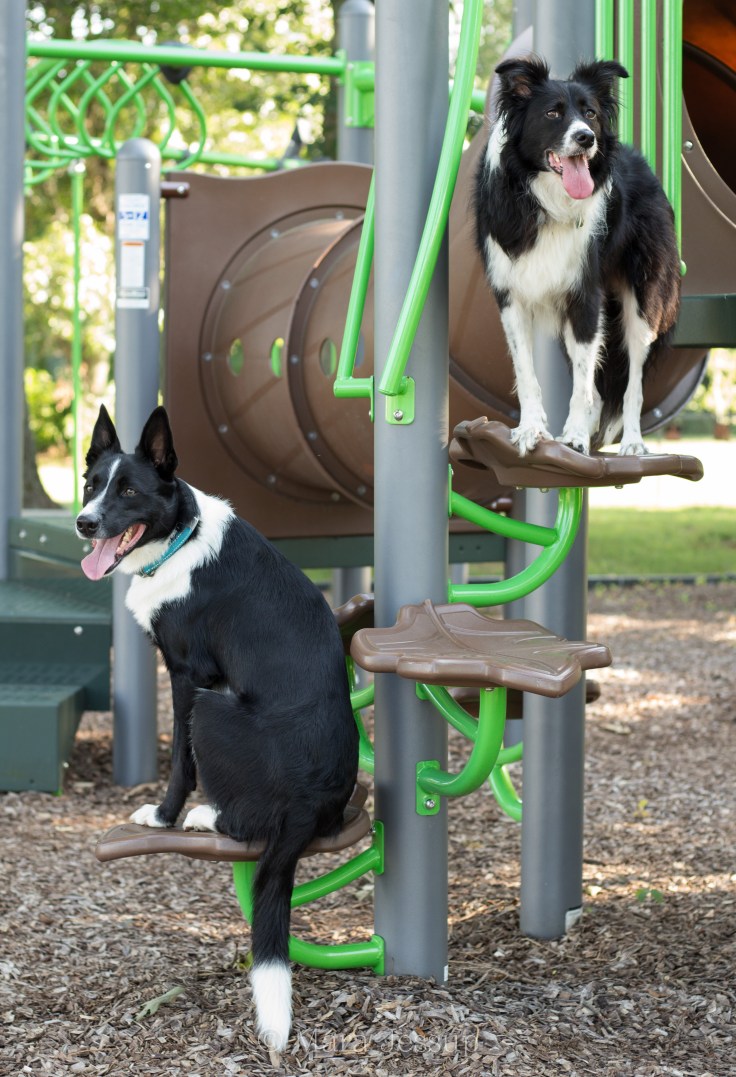
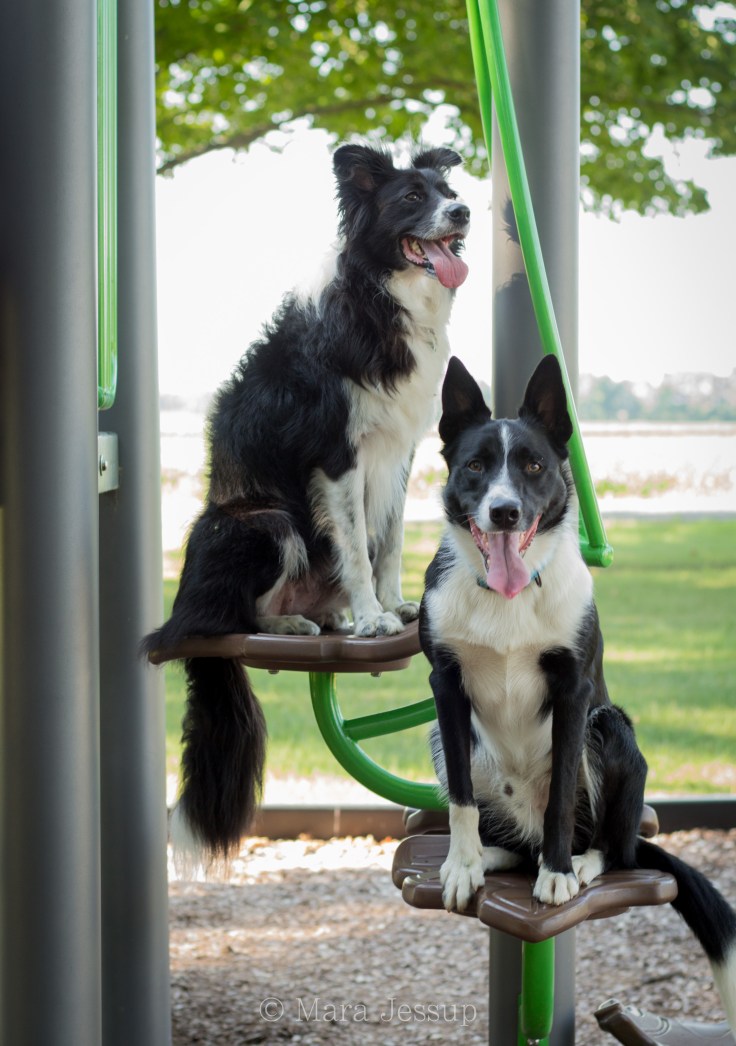
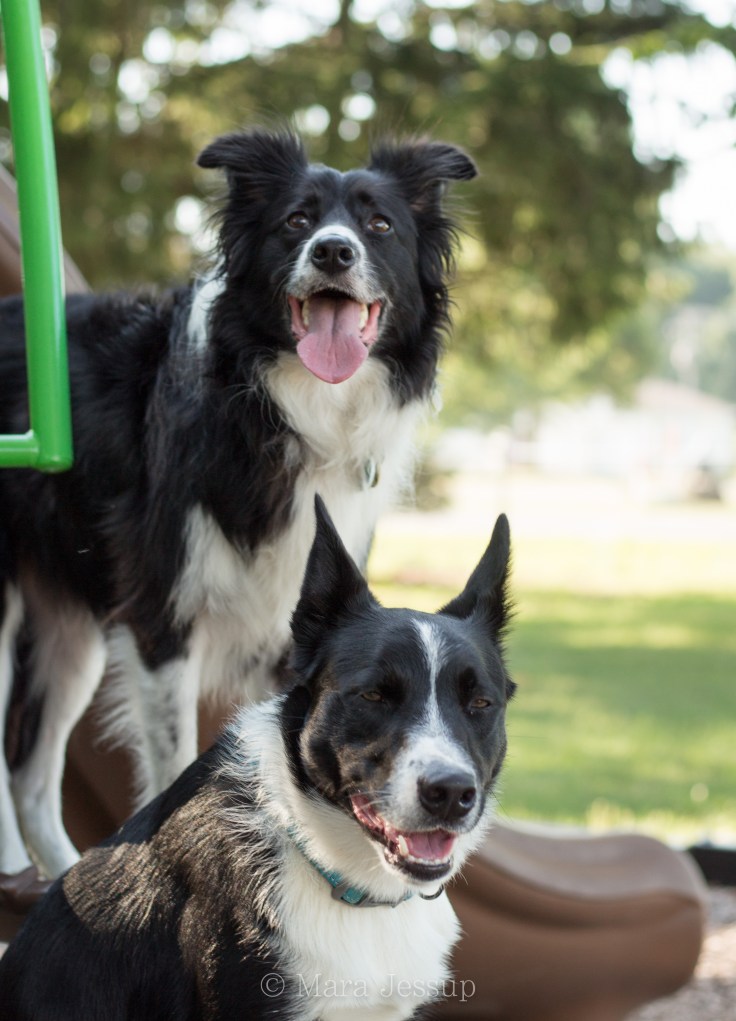
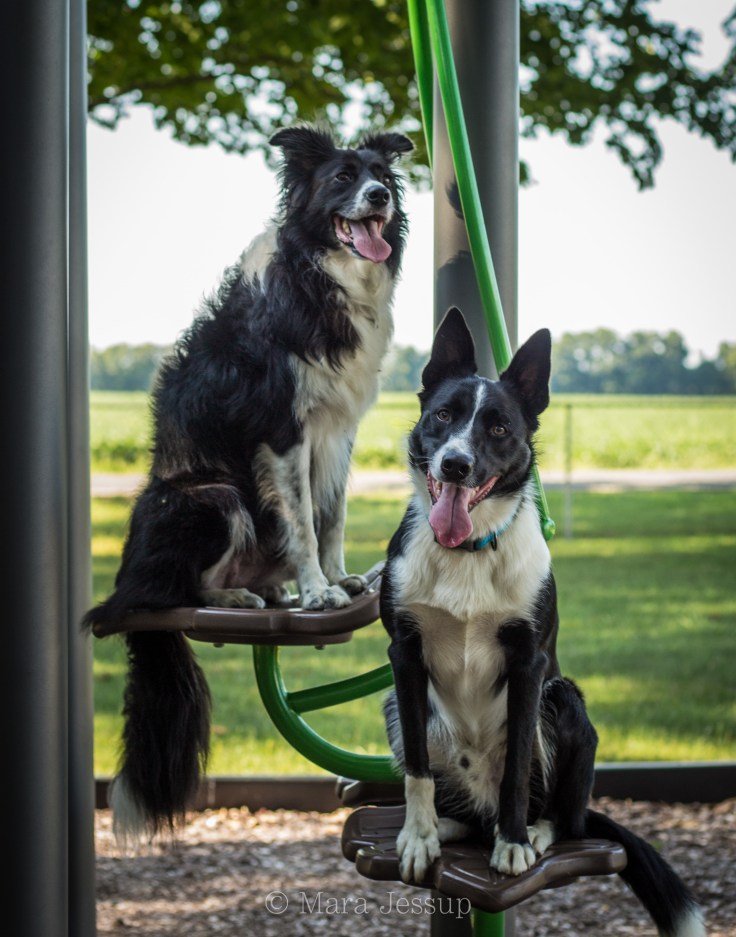
I stopped by a local playground yesterday to do some basic conditioning and balance work with the dogs. Two minutes into working Kolt, I decided that I had found the *perfect* spot for posed pictures of both dogs – a feat that I do not often attempt.

Here’s why….

The goal is to get out, grab some treats and the camera, put both dogs in a “stay” at the right spot, bribe them with treats and be done in two minutes with a picture like this –

IMG_0424

Instead, they end up trying all sorts of weird positions. Like it’s not possible to just sit or stand there and look at the camera. Seriously, just stand still, stare at me, get treats. If you’ve ever tried taking pictures of any child between the ages of about 2 and 15 then you probably understand what I mean.

Nope, can’t make it easy…

IMG_0446

IMG_0443

I finally get one dog situated and staring nicely and the other is distracted. Or unsure of the soul sucking camera (even though camera = treats, it’s still quite suspicious)

IMG_0431

Then they both get distracted. To be fair, I think there were kids playing a quarter mile away. BUT I HAD TREATS!! And good ones at that.

IMG_0436

Umm, person, you’re getting in between us and out distraction – not cool!

IMG_0454

We did finally end up with this. I’ll take it.

IMG_0432


Obviously, the above was not challenging enough. Or something. Because I just had to try another *perfect* spot!

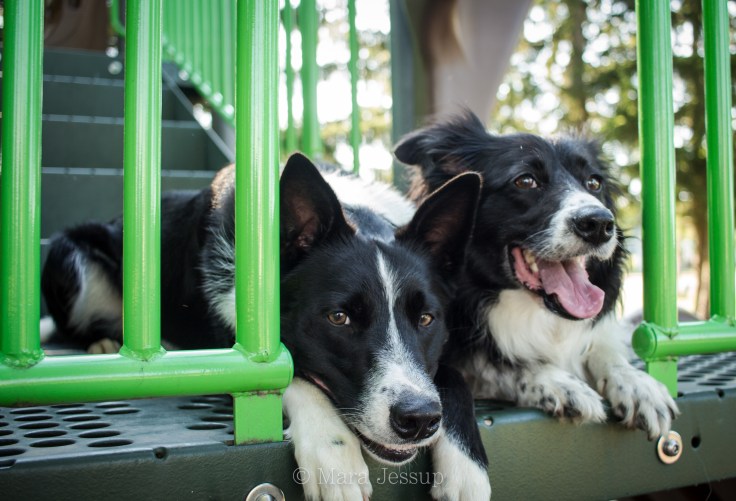
This was the attitude that I got. They must both have cooties or something -“you want us next to each other? and touching each other??? Ugh!”

IMG_0461

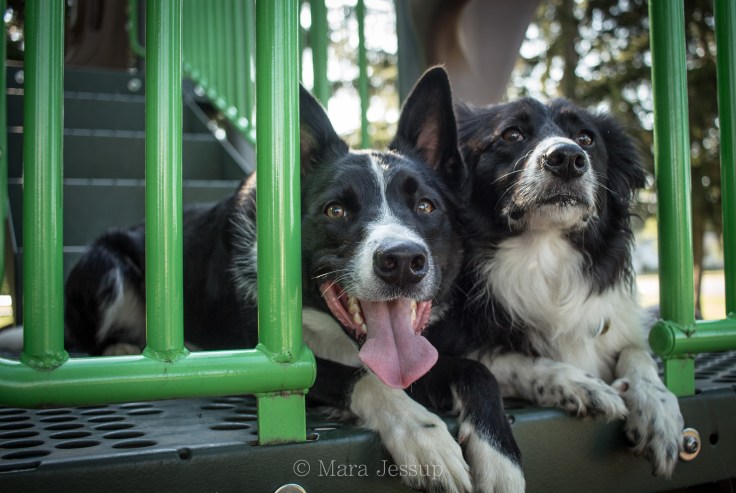
But they eventually humored me enough for this –

IMG_0455

And this!

IMG_0459

I’m glad I got the pictures. The dogs, well, I think they liked the treats.

Blog at WordPress.com.

Up ↑